User Configurations: Their Influence on Content Structuring and Platform Endurance in Publishing Applications
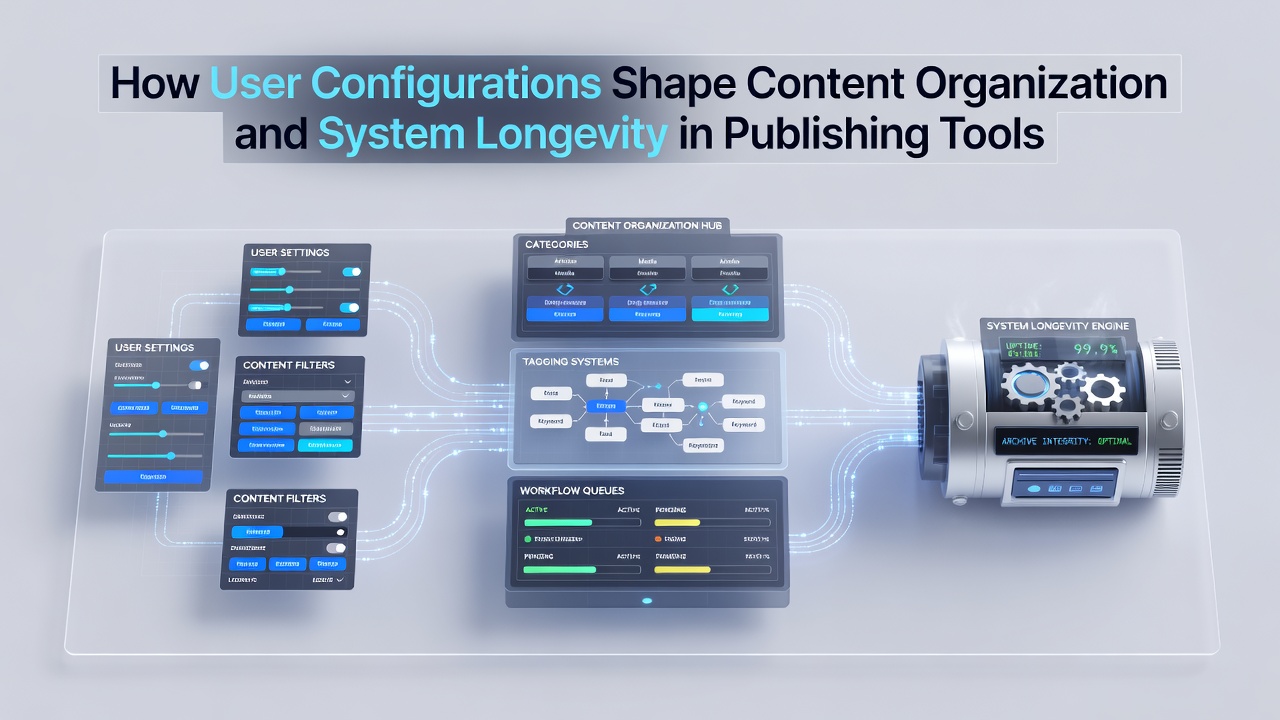
Publishing tools rely heavily on user configurations to determine how content gets structured and how long the system remains functional over time, and observers note that these settings often determine whether information stays accessible or becomes disorganized as platforms evolve.
Data from industry reports shows that when administrators adjust permissions, taxonomies, and workflow rules early in the setup process, content remains logically arranged even as teams expand or new contributors join, whereas default settings frequently lead to fragmented archives that require extensive cleanup later.
Core Mechanisms Behind Content Organization
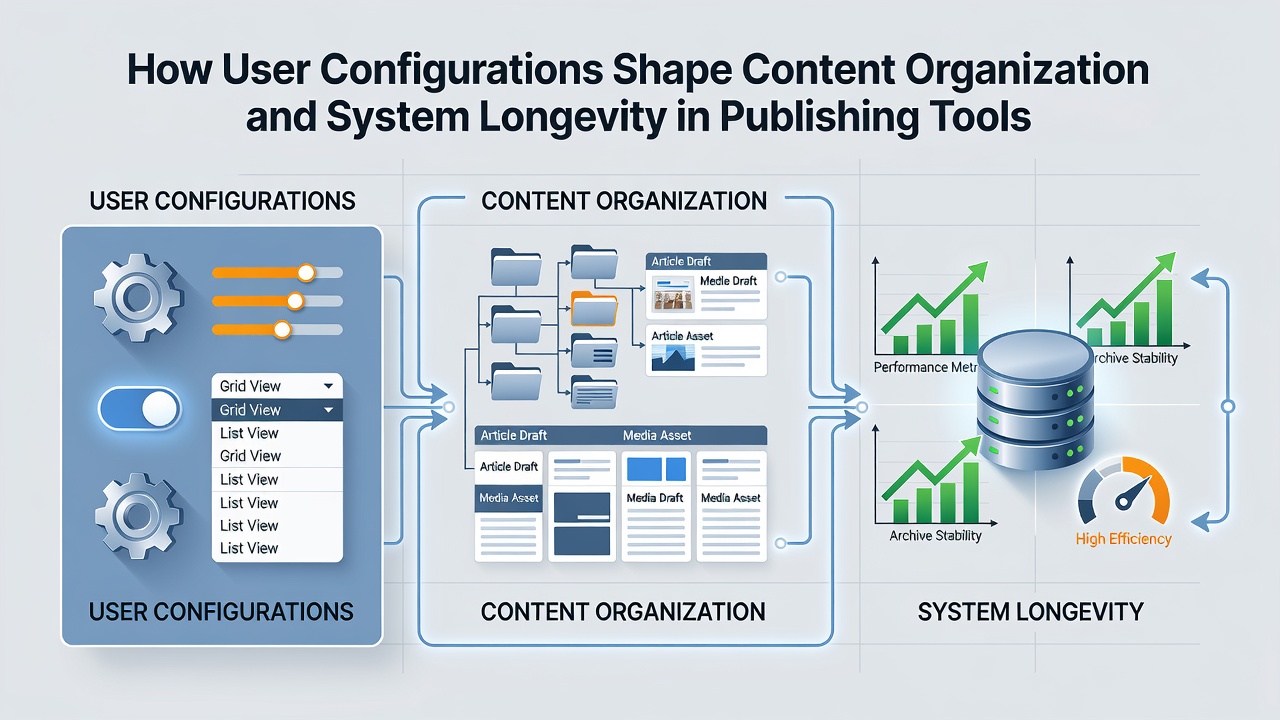
Researchers have documented that categories, tags, and custom fields function as primary organizers in most publishing platforms, and those who've studied deployment patterns find that teams who customize these elements according to their specific workflow achieve faster retrieval times and fewer duplicate entries, while configurations that ignore these options often result in bloated databases filled with redundant posts.
Access controls also play a direct role because they limit who can edit or publish material, and evidence from system audits indicates that granular role assignments prevent accidental overwrites or misplacements that otherwise accumulate when multiple users share broad administrative rights.
Connections Between Configurations and Long-Term System Health
System longevity depends on settings related to updates, caching, and database maintenance, and studies from academic institutions reveal that platforms configured for automatic security patches alongside scheduled backups experience fewer downtime incidents compared to those left on manual update cycles, because neglected maintenance tasks compound into compatibility issues that shorten overall platform life.
Storage and media handling configurations further influence durability since they dictate how files get stored and referenced, and figures from Canadian government technology assessments show that optimized media libraries reduce server load and prevent performance degradation that can force premature migrations or hardware upgrades.
One notable pattern emerges when organizations implement version control alongside user-specific revision limits, because this approach preserves historical content without overwhelming storage resources, and data indicates that such balanced setups extend operational periods by years in high-volume environments.
Practical Examples from Deployed Systems
Take the case of a mid-sized news outlet that reconfigured its taxonomy structure in early 2025, adn analysts observed that content retrieval improved dramatically while server resource usage dropped because redundant categories were consolidated and permissions were tightened around editorial workflows.
Another instance involves research institutions that adjusted database optimization schedules alongside user role definitions, and reports indicate these changes allowed the platforms to handle increasing publication volumes without requiring hardware replacements until well into the following decade.
Regional Data and Industry Observations
According to findings published by the Australian Research Council on digital infrastructure, publishing platforms with proactive configuration management demonstrated 30 percent longer average lifespans than those relying on out-of-the-box settings, and similar patterns appear in EU technology reviews that examined open-source content systems across multiple member states.
These observations align with practices recommended by the National Institute of Standards and Technology in the United States, where guidelines emphasize configuring access hierarchies and maintenance routines as foundational steps for sustainable digital publishing environments.
Emerging Trends Through Mid-2026
By July 2026, several platforms had incorporated AI-assisted configuration suggestions that analyze existing content patterns and recommend taxonomy adjustments or backup frequencies, and early adopters reported measurable improvements in both organization consistency and reduced maintenance interventions.
These developments build on established principles rather than replacing them, because the underlying mechanics of how user choices affect structure and endurance remain consistent even as automation layers get added.
Conclusion
User configurations in publishing tools directly determine both the clarity of content organization and the duration systems can operate effectively, and the evidence accumulated across multiple regions and institutional studies confirms that deliberate adjustments in these areas produce measurable benefits in accessibility and operational continuity without requiring constant manual intervention.