The Interplay of Administrative Tools in WordPress: Linking, Writing, and Theming in Unified Processes
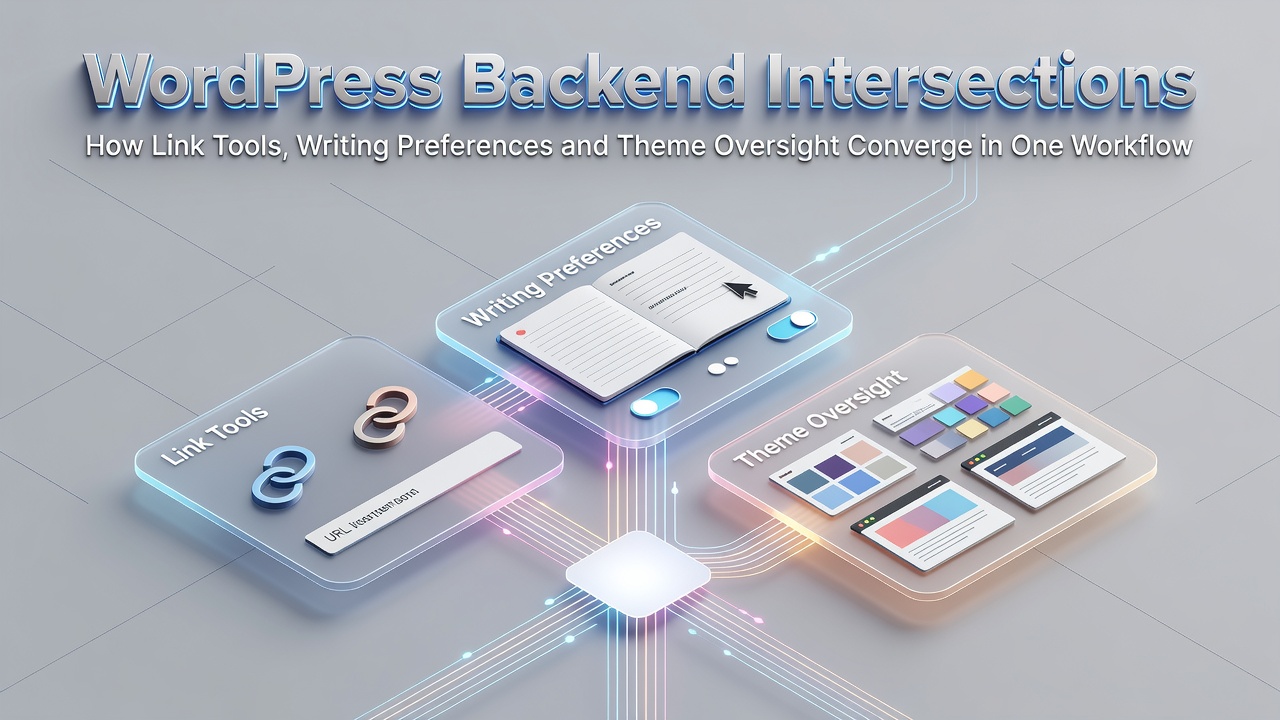
WordPress backend operations frequently bring together distinct yet interconnected features where link management utilities combine with writing configuration options and theme supervision functions, creating streamlined sequences for site administrators who handle content updates and structural adjustments in coordinated steps. Observers note that these elements appear in workflows involving post creation, where users add hyperlinks through dedicated screens such as link-add.php while applying preferences from options-writing.php that dictate formatting defaults, and then apply theme controls to ensure visual consistency across published material.
Link Management Utilities Within Daily Operations
Link tools in the WordPress administration area allow users to insert and organize external references directly into posts or pages, and data from platform usage reports indicates that administrators often access these functions during content assembly phases that also involve setting default categories or ping options. Researchers at various institutions have documented how such utilities support efficient linking without requiring separate browser tabs, which integrates smoothly with broader content pipelines. One study from Canadian digital infrastructure analyses revealed patterns where link addition occurs alongside adjustments to writing settings that control HTML editing modes or emoji support, resulting in fewer interruptions during publishing sequences.
Writing Preferences and Their Role in Content Structuring
Writing settings accessible via options-writing.php enable configuration of elements like default post categories, formatting shortcuts, adn remote publishing protocols, while those who've examined user logs find these choices influence subsequent decisions about theme application because visual layouts must accommodate the chosen text structures. Experts have observed that adjustments here affect how links render in final outputs, since preferences for block editors or classic modes determine placement options within themes. Data shows increased adoption of customized writing setups in enterprise environments, particularly as platforms evolve toward more modular content approaches expected in mid-2026 releases.
Theme Oversight and Display Coordination
Theme management sections provide oversight for activating, customizing, and updating site appearances, and administrators routinely cross-reference these with link tools when ensuring hyperlinks maintain appropriate styling under selected designs. According to industry reports from Australian web technology assessments, theme adjustments frequently follow writing preference modifications because certain themes support specific post formats enabled in the writing panel. Those monitoring backend interactions note that theme preview functions allow testing of link displays before full activation, creating checkpoints where all three areas intersect without separate navigation paths.
Workflow convergence becomes evident when an administrator begins by defining writing defaults for new content, proceeds to incorporate links via the dedicated addition screen, and then verifies theme compatibility to maintain design integrity. This sequence reduces redundant steps, as changes in one area automatically inform requirements in others, such as updating permalink structures that affect both links and theme navigation menus. What's interesting is how plugin extensions sometimes amplify these connections by adding custom fields that bridge writing options with theme widget areas.
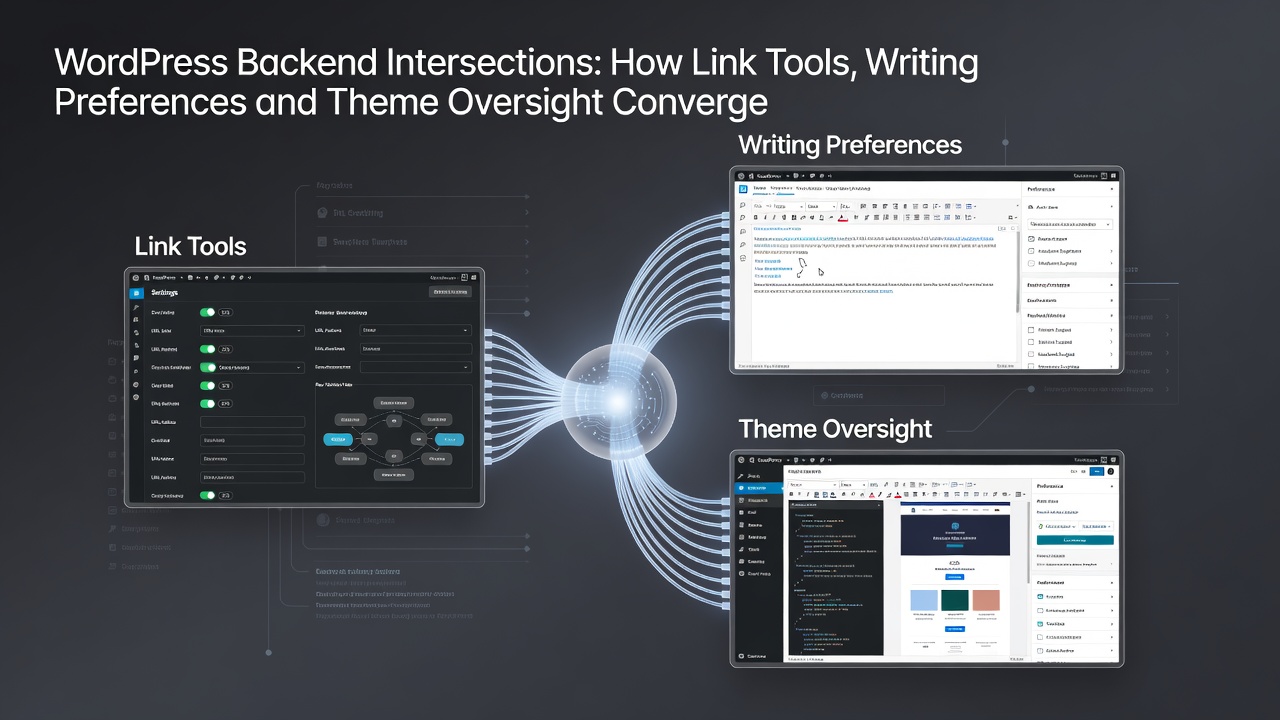
Practical Examples of Unified Backend Sequences
Take one site manager who configures writing preferences to enable press-this functionality for quick link captures from external sources, then immediately routes those links into themed page layouts that align with established branding guidelines. Evidence suggests such patterns appear regularly in multi-author environments where consistency across posts demands simultaneous attention to these features. In June 2026, anticipated WordPress updates may introduce enhanced API connections that further tighten these intersections by allowing direct theme modifications triggered from within writing or link panels.
Another instance involves e-commerce operators who use link tools to manage affiliate references while relying on writing settings for product description defaults, all under themes optimized for conversion tracking. Figures from European digital commerce studies reveal that organizations coordinating these backend elements report smoother update cycles compared to fragmented approaches. Theme oversight ensures that link hover effects and writing font choices remain synchronized, preventing display inconsistencies that could arise from isolated adjustments.
Technical Underpinnings Supporting These Connections
Database structures in WordPress store writing preferences and theme metadata in shared option tables, which facilitates queries that pull relevant data across functions when administrators execute combined tasks. Link records integrate through postmeta entries that themes access during rendering, creating natural dependencies that users encounter during routine maintenance. Observers note that core file interactions, including those in options-general.php crossovers, occasionally extend these convergences by influencing global settings that impact link protocols and theme color schemes alike.
Developers working with custom implementations often map these relationships in workflow diagrams to optimize client training, highlighting how a single session might address link additions, preference tweaks, and theme previews without switching contexts excessively. Research indicates that such integrated handling correlates with reduced error rates in live site deployments across various hosting environments.
Conclusion
The convergence of link tools, writing preferences, and theme oversight forms reliable pathways in WordPress administration where each component informs the others during content lifecycle management. Platform documentation at official WordPress resources outlines foundational mechanics, while broader analyses from international technology tracking services provide usage context that underscores ongoing relevance of these intersections through evolving versions. Administrators benefit from recognizing these patterns to maintain efficient operations across interconnected backend screens.