The Influence of User Profile Configurations on Post Editing Workflows in Multi-User WordPress Installations
Written by Gisela Griffin · Aug 5, 2026
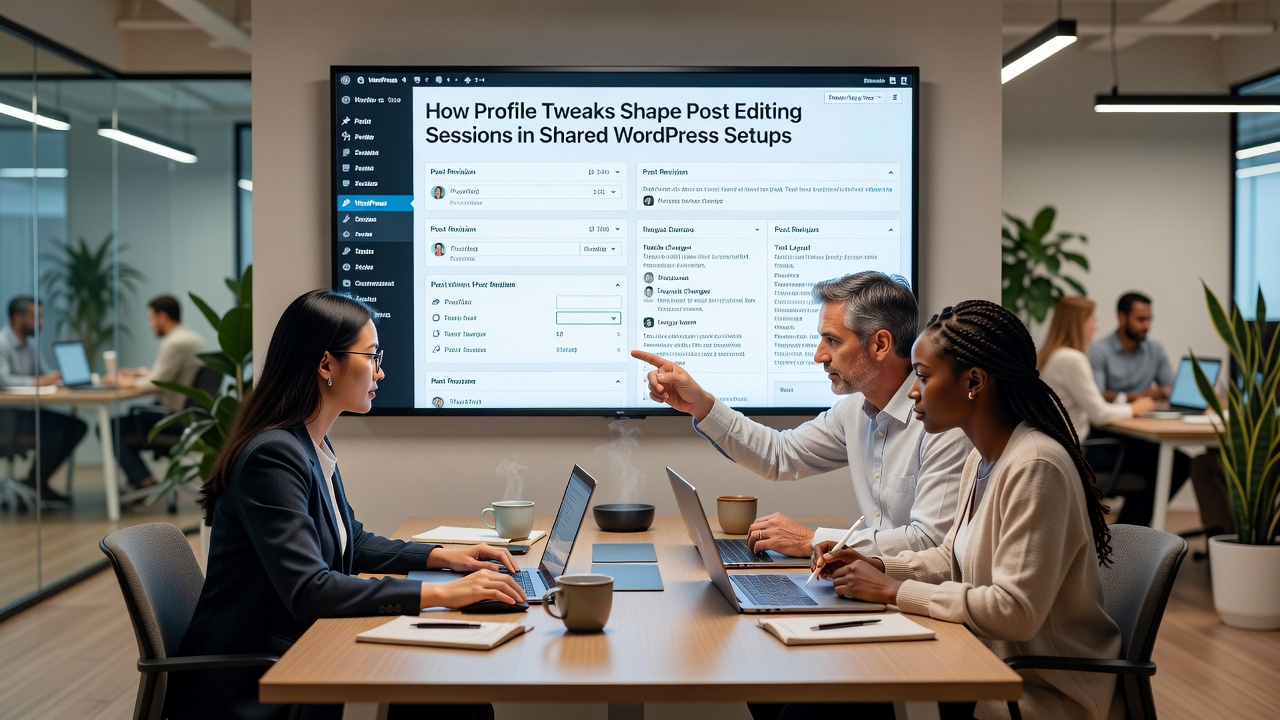
The Influence of User Profile Configurations on Post Editing Workflows in Multi-User WordPress Installations
Shared WordPress environments bring multiple contributors together on a single installation where each participant maintains distinct profile settings that directly alter how the post editor behaves during content creation and revision tasks. Those who've studied collaborative publishing systems note that adjustments made in the profile area control everything from the default editor mode to toolbar visibility and color schemes that reduce eye strain during long sessions.
Core Profile Elements That Modify Editing Behavior
Profile tweaks begin with basic fields such as display name and biographical information yet extend into functional preferences that reshape the editing screen itself. Data from WordPress usage reports indicates that selecting the visual editor versus the block editor changes the entire composition interface while enabling or disabling the admin toolbar determines whether quick links remain accessible while drafting posts. Researchers have observed that these choices persist across devices in multi-user sites because they attach to individual accounts rather than global configurations.
Color scheme selections further influence session dynamics since certain palettes improve contrast in the Gutenberg editor and others highlight revision controls more clearly. In August 2026 WordPress core updates introduced refined accessibility options that allow profile-level contrast adjustments to sync with operating system preferences across shared hosting environments.
Keyboard Shortcuts and Screen Options in Team Contexts
Enabling keyboard shortcuts through profile settings accelerates navigation between blocks and formatting tools yet requires consistent application across team members to avoid workflow friction. Observers note that one contributor who activates these shortcuts often completes formatting tasks faster while teammates without the setting rely on mouse interactions that extend editing durations. Screen options panels accessible from the profile page let users control which meta boxes appear during post editing and these selections carry over into shared setups where each author sees a personalized view of the same content item.
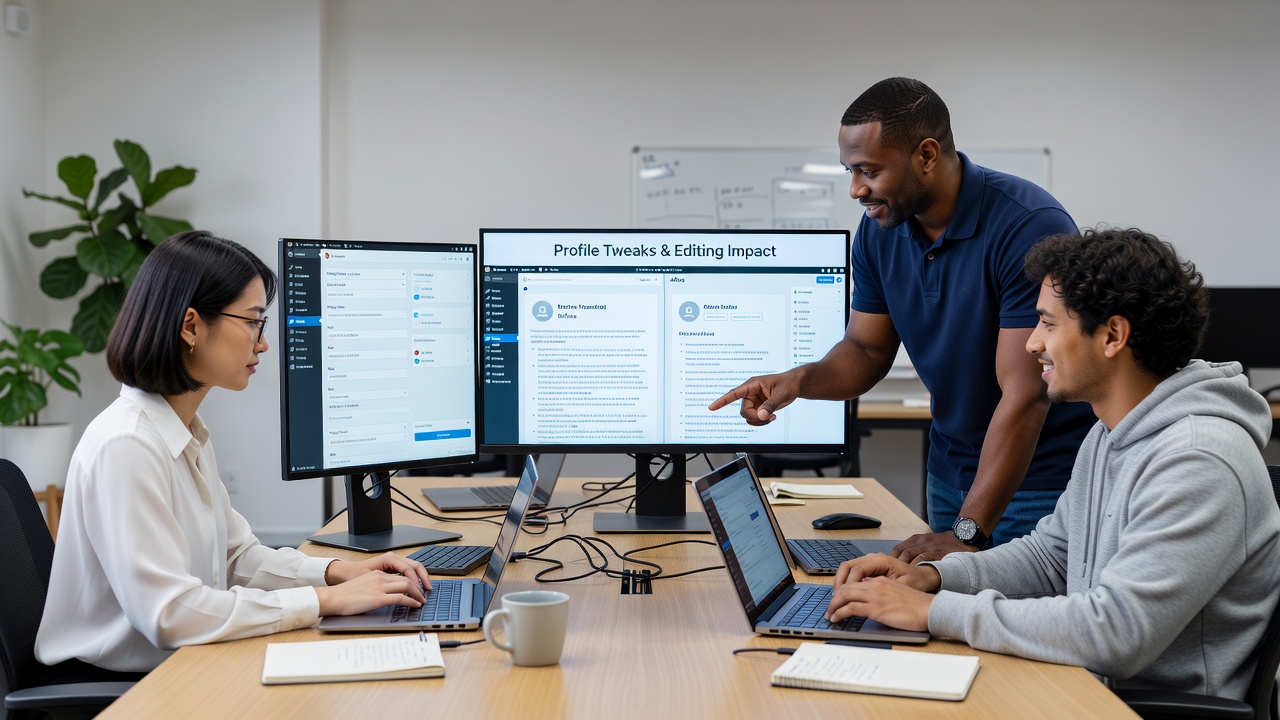
Studies on collaborative content platforms reveal that when authors customize their revision visibility settings the post history panel displays different levels of detail depending on individual profile choices. This creates situations where one editor sees granular change logs while another views only major saves because their profile preferences filter the displayed information.
Impact on Shared Hosting Performance and Session Management
Profile configurations affect not only individual experiences but also how efficiently the system handles simultaneous editing sessions in shared hosting arrangements. According to industry reports from the WordPress Performance Team custom toolbar settings and editor preferences reduce server requests during peak collaboration hours by limiting unnecessary interface elements. Those managing multi-author sites find that standardizing certain profile defaults through role-based plugins maintains consistency while still allowing personal adjustments that improve individual productivity.
Evidence suggests that timezone and language selections within profiles influence timestamp accuracy on revisions and comment threading which becomes critical when teams span different regions. In shared setups these small tweaks prevent confusion during handoff periods between contributors working on the same article draft.
Security Considerations Tied to Profile Customizations
Profile adjustments that control session length and two-factor authentication status directly shape how securely post editing occurs in environments with multiple logins. Government cybersecurity guidelines from agencies such as the Australian Cyber Security Centre recommend tying stronger authentication methods to user profiles to protect content integrity during extended editing windows. Data indicates that administrators who enforce profile-level security policies experience fewer unauthorized access attempts on collaborative sites.
Conclusion
Profile tweaks in shared WordPress installations create personalized editing environments that collectively determine workflow speed, visual comfort, and revision tracking accuracy. Those overseeing multi-user sites benefit from understanding how individual settings interact with core editor functions to maintain both productivity and consistency across the team. As WordPress continues evolving in 2026 these configuration options remain central to effective collaborative publishing.