Streamlining WordPress Media Organization: Workflows That Handle Uploads and Attachments
Written by Riley Peters · Aug 7, 2026
Streamlining WordPress Media Organization: Workflows That Handle Uploads and Attachments
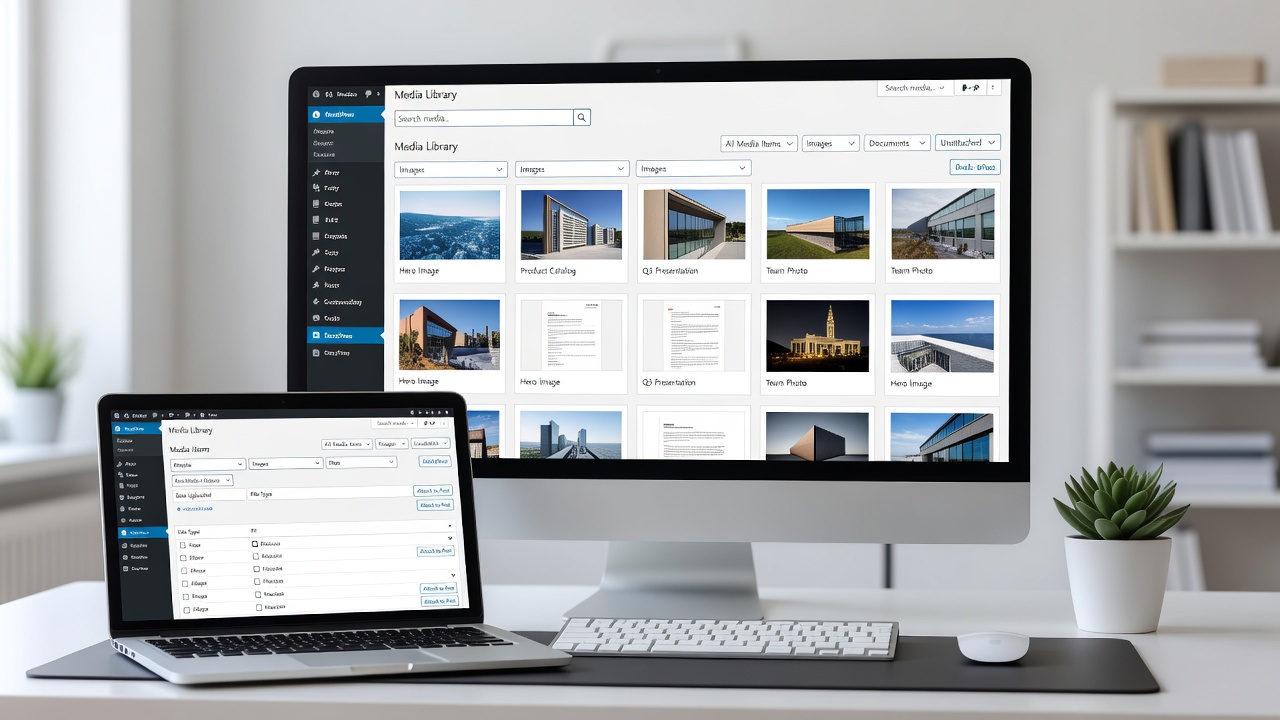
WordPress handles media through its dedicated library system where uploads arrive as attachments tied directly to posts, pages, or custom content types, and observers note that effective workflows begin with understanding how the platform stores files by default in year-month folders while allowing customization through settings and plugins. Data from usage reports shows that sites managing thousands of images benefit when administrators establish naming conventions early, because consistent file names reduce search friction later and support automated scripts that scan for duplicates or missing alt text. Those who study content management systems find that attachment metadata, including titles, captions, and descriptions, becomes searchable across the library interface, which turns a simple upload action into a structured record that multiple team members can reference without confusion.
Core Upload Processes and Default Behaviors
Uploads occur through the media library screen or directly from the post editor, and the system assigns each file a unique ID while storing the original in the uploads directory along with generated sizes for responsive display. Researchers tracking CMS adoption indicate that default behavior creates dated subfolders unless users disable this option in the settings panel, a choice that affects long-term retrieval when thousands of files accumulate over months or years. As of August 2026, WordPress maintains backward compatibility for these storage patterns while introducing incremental improvements to the REST API endpoints that power media handling in modern block themes.
People often discover that bulk uploading works best when files follow a standardized naming pattern before they reach the server, since the platform preserves original names yet allows later renaming through the attachment edit screen. Evidence suggests that integrating external tools for bulk renaming reduces errors compared with manual edits performed after upload, and administrators who connect the library to cloud storage services report smoother scaling when traffic spikes increase image requests.
Taxonomy and Metadata Strategies for Attachments
Although the core library lacks built-in folders, attachments support categories and tags just like posts, which allows teams to group images by campaign, client, or asset type without altering the physical file structure. Studies on digital asset management reveal that consistent use of these taxonomies cuts search time measurably, because queries can combine media type, upload date, and custom terms to surface relevant results quickly. Observers note that alt text and caption fields also feed into accessibility reports, making thorough metadata entry part of compliance workflows rather than an optional step.
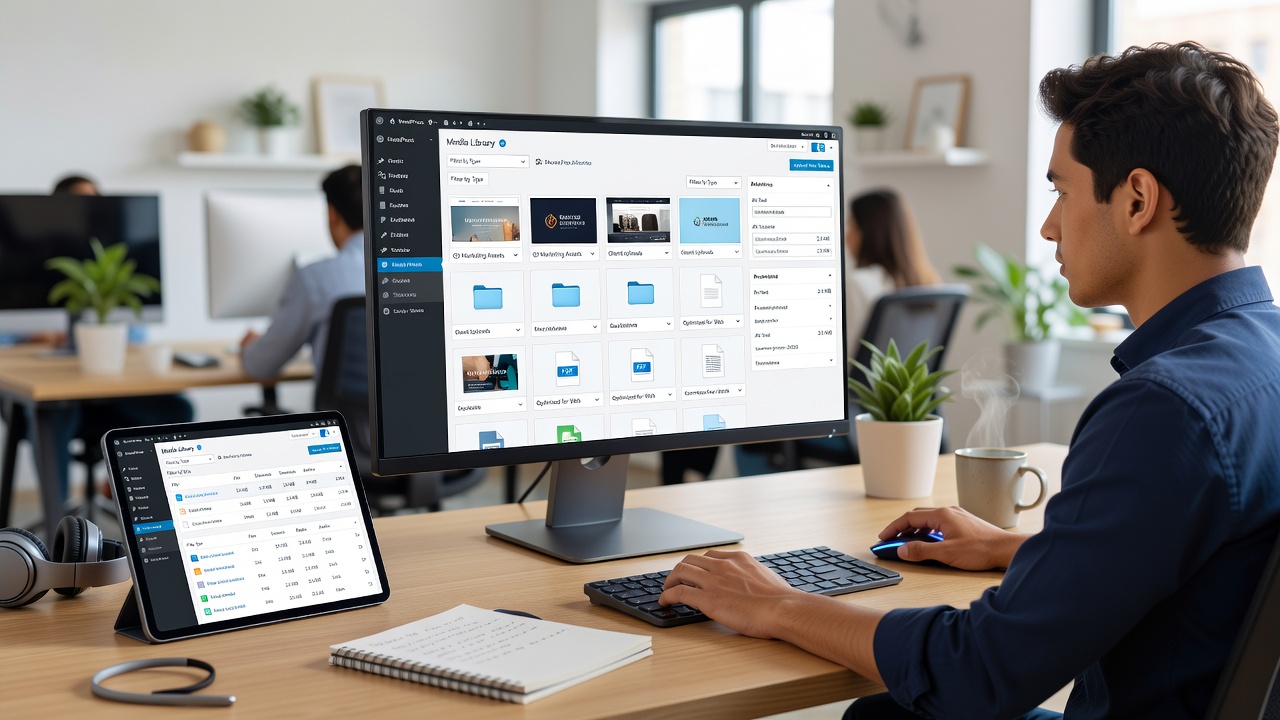
Those managing large media collections frequently add custom taxonomies through code or lightweight plugins, creating hierarchical structures that mirror real-world organizational charts while keeping the underlying file system flat and predictable. The reality is that search within the library respects these terms, so content editors locate assets faster when every upload receives at least one category assignment during the workflow.
Advanced Techniques and Plugin Integration
Plugins extend the media library by adding folder-like interfaces or enhanced search filters, yet core functionality remains intact so sites can switch approaches without data loss. Figures from platform analytics show that sites using media-focused extensions handle higher volumes of attachments with fewer broken links, because the additional tools often include bulk editing and duplicate detection features. Administrators connect these solutions through hooks that fire during upload, allowing automatic assignment of taxonomies based on file type or upload location.
One study revealed that organizations combining WordPress with external digital asset management systems maintain cleaner libraries, since the platform serves only the files needed for publishing while the external system stores master copies and version histories. Developers who examine attachment relationships find that cleaning up unused media requires queries against the postmeta table, because the library does not automatically remove files when posts are deleted unless additional code enforces that behavior.
Conclusion
Effective media workflows in WordPress combine default upload settings with deliberate metadata practices and selective plugin use, producing libraries that remain navigable as content grows. Data indicates that attention to naming, taxonomy, and storage structure pays dividends in search speed and team collaboration, while ongoing platform updates continue to refine how attachments integrate with themes and the block editor. Administrators who treat media organization as an ongoing process rather than a one-time setup maintain sites that scale without accumulating technical debt around file management.