Shaping Teamwork Through Tailored User Settings in WordPress Platforms
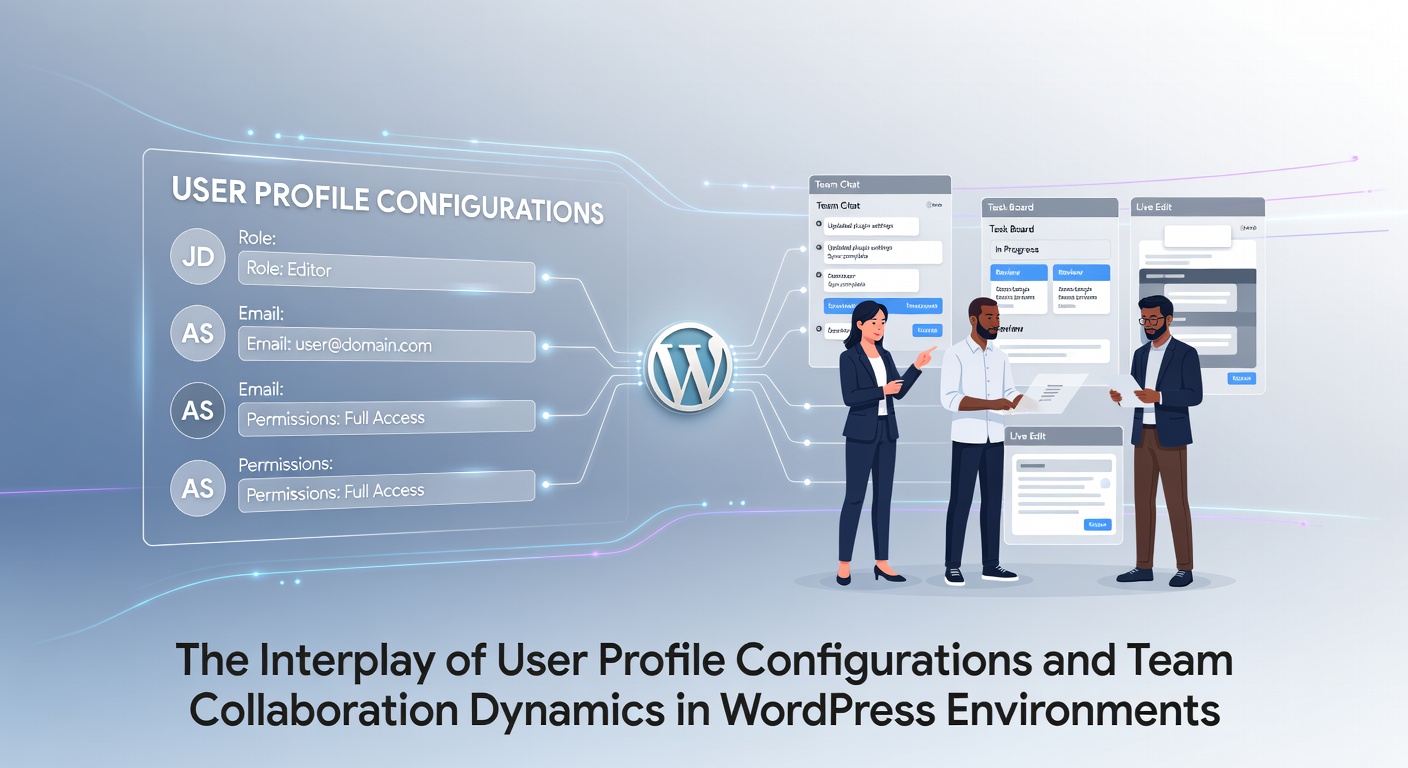
WordPress environments thrive when user profile configurations align closely with team collaboration needs, and observers note that this alignment creates smoother content workflows across distributed groups. Data from recent platform analyses shows that organizations managing multiple contributors often rely on built-in role assignments to control access levels while maintaining security standards. Researchers at academic institutions tracking digital collaboration tools have found that customized permissions reduce conflicts during simultaneous editing sessions, particularly in projects spanning several time zones.
Core User Roles and Their Impact on Group Workflows
Administrators hold broad oversight capabilities in standard setups, yet many teams adjust these defaults using plugins to fit specific project demands, and this flexibility allows editors to focus solely on content approval without touching technical elements. Authors typically handle drafting and publishing their own material, whereas contributors submit pieces for review, creating a layered process that supports larger groups. Evidence suggests these distinctions become especially useful in environments where freelancers join full-time staff, since granular controls prevent unauthorized changes to site structure or plugins.
Custom role plugins extend these foundations by letting managers define new permission sets tailored to unique team structures, and studies indicate such extensions appear frequently in enterprise deployments handling high-volume publishing schedules. Teams working on multilingual sites, for instance, often create roles limited to specific language sections, which streamlines review cycles and keeps translators from accessing unrelated areas.
Configuration Strategies for Enhanced Coordination
Profile fields beyond basic roles include contact details, biographical sections, and avatar uploads that help team members recognize each other quickly during discussions, while settings for notification preferences ensure updates reach the right people without flooding inboxes. Those managing collaborative projects frequently integrate these configurations with external tools like project management platforms, allowing activity logs from WordPress to feed directly into shared dashboards.
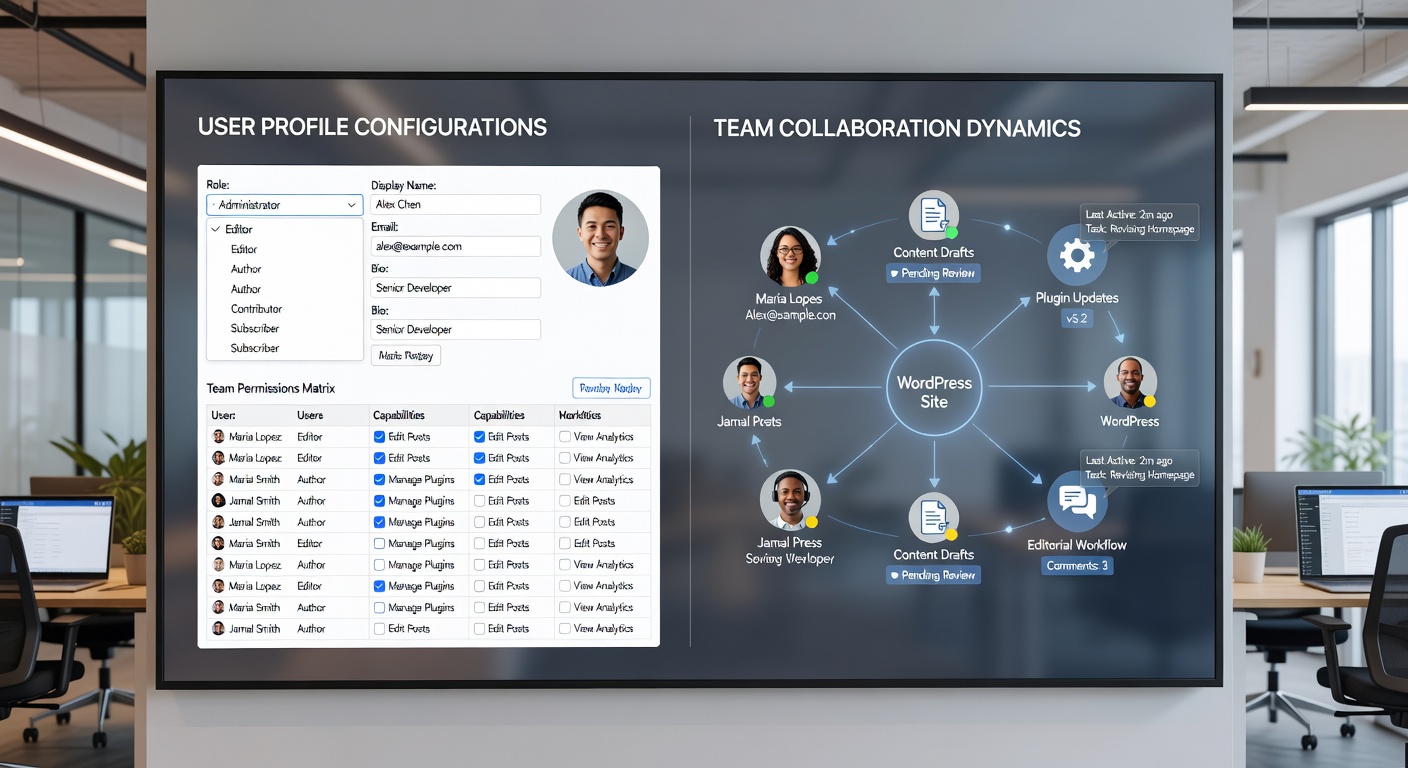
Multi-site networks present additional layers where user profiles carry across several installations, and this setup proves valuable for organizations running separate brand sites under one umbrella. Figures from industry reports reveal that administrators in such networks save significant time by managing accounts centrally rather than duplicating efforts on individual sites. In May 2026 updates, developers introduced refined tools for syncing profile changes across networks, which further supports fluid handoffs between regional teams handling localized content.
Security Considerations and Access Management
Proper configuration of user capabilities directly influences platform stability, since overly broad permissions can expose sites to accidental deletions or security vulnerabilities during group edits. Experts tracking open-source platforms emphasize regular audits of role assignments, especially when onboarding new collaborators or rotating responsibilities among existing members. Password policies and two-factor authentication options within profiles add another safeguard that many organizations now require as standard practice.
Activity logging plugins complement these measures by recording who modified what and when, creating transparent histories that teams review during debriefs or compliance checks. Research indicates such logs become critical in regulated industries where content must meet strict approval chains before publication.
Real-World Patterns in Collaborative WordPress Use
Take one digital agency that restructured user profiles to separate design and development tasks from editorial duties, resulting in fewer revision cycles and faster turnaround on client projects. Similar adjustments appear in educational institutions where faculty and students share sites yet operate under distinct permission tiers. Observers note these adaptations often evolve through trial and error, with teams refining settings based on actual workflow friction points rather than initial assumptions.
Integration with plugins for real-time editing or version control further amplifies the benefits of thoughtful profile setups, allowing multiple users to contribute without overwriting each other's work. Data shows adoption of such combined approaches has grown steadily as remote collaboration tools matured over recent years.
Conclusion
The connection between user profile configurations and team collaboration dynamics in WordPress continues to shape how groups organize content creation and maintenance tasks. Organizations that invest time in aligning these elements typically experience more efficient processes and stronger security postures across their installations. As platforms evolve with new features, teams that monitor and adjust role settings accordingly maintain productive environments suited to changing project requirements.