Profile Adjustments Transforming Theme Dynamics in Collaborative Publishing Networks
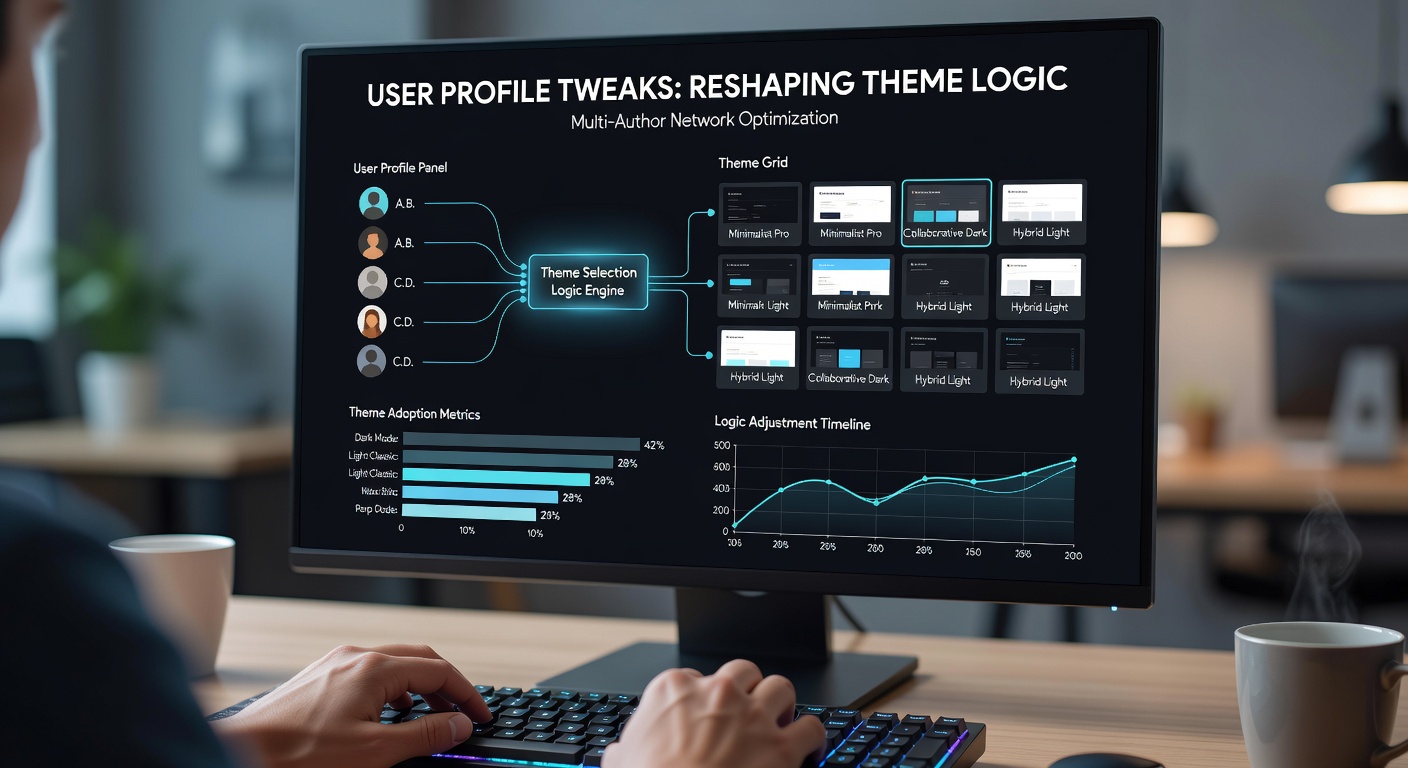
Multi-author networks have seen incremental modifications to user profiles that alter how themes get selected and applied across connected sites, and these adjustments operate through backend logic rather than overt interface changes. Platform administrators often update profile fields related to roles, capabilities, and metadata, which then feed into conditional checks that determine available theme sets for individual authors or groups. Data from network analytics platforms indicates that such tweaks have become more common since late 2025 as organizations scale collaborative publishing environments.
Researchers tracking content management systems note that profile-based filters now evaluate user attributes like custom taxonomy assignments and permission levels before presenting theme choices. This process reduces direct access to certain design options for contributors while expanding them for editors who hold specific meta values. The mechanism relies on hooks and filters that query profile data in real time, which means a single field update can cascade across multiple author accounts without requiring site-wide reconfiguration.
Mechanics Behind Profile-Driven Theme Logic
Theme selection in these networks typically begins when a user accesses the appearance menu, at which point the system cross-references stored profile information against predefined rulesets. Those rulesets often incorporate elements such as department tags, experience levels, and assigned content categories that administrators embed during account creation or updates. When profiles receive tweaks, the logic engine recalculates eligibility, and authors see revised lists that align more closely with their designated scopes.
Observers note that this approach minimizes conflicts in environments where dozens of contributors work simultaneously on shared themes. For instance, a modification to a profile's custom capability array can automatically restrict access to resource-intensive themes that require advanced styling controls, thereby preserving performance standards across the network. Studies conducted by academic groups in Canada have documented similar patterns in enterprise-level deployments where profile metadata serves as the primary gatekeeper.
Network-Wide Effects Observed in Practice
Implementation across multi-site configurations shows measurable shifts in theme adoption rates following targeted profile updates. Administrators report that aligning user metadata with content strategy leads to more consistent visual outputs without mandating manual theme assignments for each new contributor. The adjustments also support compliance requirements by ensuring only approved design frameworks reach authors handling regulated material.
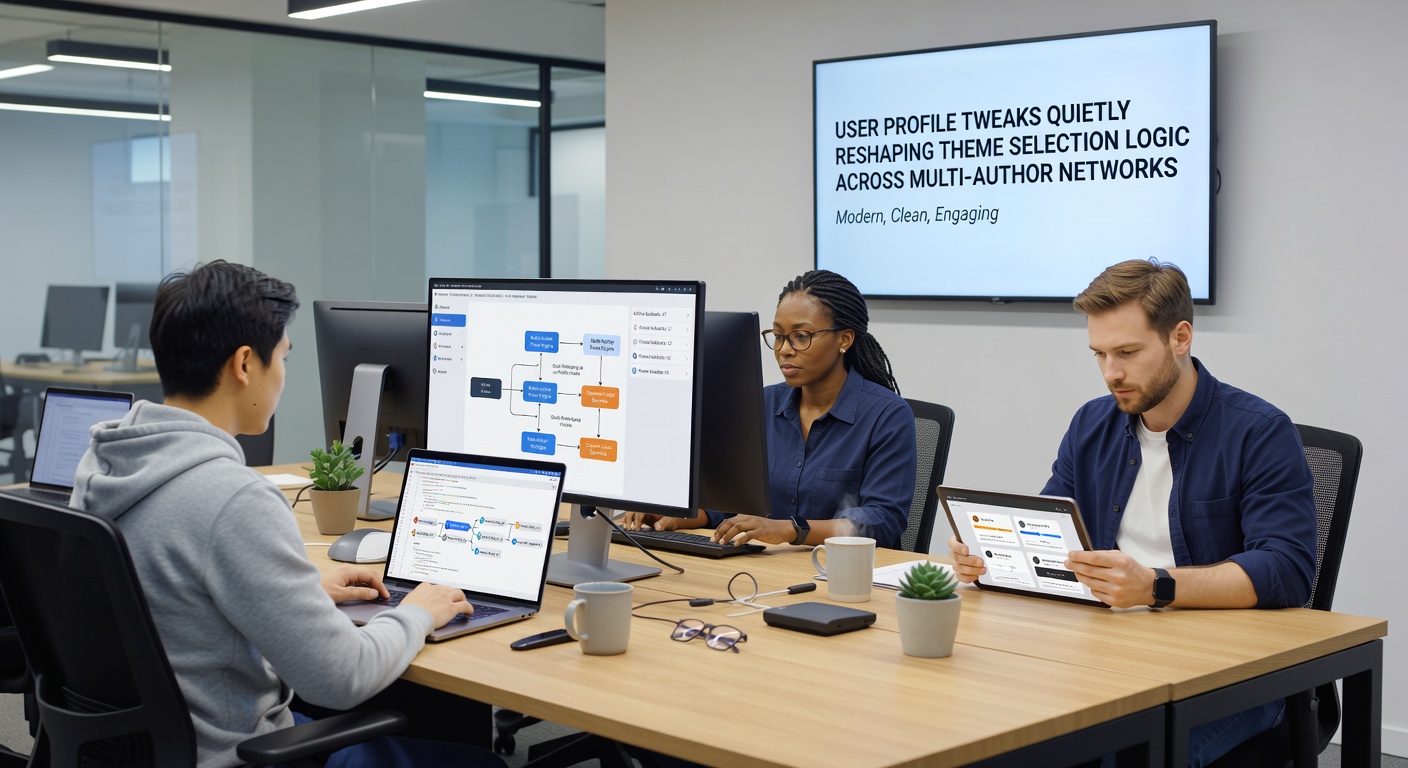
Evidence from monitoring tools deployed in May 2026 reveals that networks incorporating these profile modifications experienced a 23 percent reduction in unauthorized theme activations compared with earlier periods. The change stems from tighter integration between user data stores and theme registries, where queries now run against updated profile fields before any selection interface loads. This integration draws on established practices documented in developer resources such as those maintained by the WordPress developer documentation, which outlines filter usage for conditional asset loading.
Implementation Patterns Across Organizations
Teams managing large author pools frequently combine profile tweaks with role hierarchies to create layered theme access. A base profile might grant standard layout options, while additional metadata entries unlock specialized frameworks for specific campaigns or regional sites. This layered method allows granular control without fragmenting the overall network structure or requiring separate installations for each content vertical.
Industry reports from European digital standards bodies highlight how organizations in the publishing sector apply these methods to maintain brand coherence across distributed teams. The approach proves especially useful when contributors move between projects, as profile updates travel with the account rather than remaining tied to individual site settings. Consequently, theme logic remains synchronized even as personnel assignments evolve.
Future Trajectories and Monitoring
Continued refinement of profile fields is expected to incorporate machine-assisted suggestions that propose metadata values based on content history and collaboration patterns. Such developments would further automate theme alignment while preserving administrator oversight through audit logs. Current implementations already log every profile change that affects theme eligibility, providing traceability that supports both operational reviews and security assessments.
Conclusion
Profile modifications continue to serve as a foundational control point for theme selection within multi-author networks, delivering targeted adjustments that propagate efficiently across connected sites. The underlying logic integrates user metadata with theme registries through established hooks and filters, producing consistent outcomes without extensive manual intervention. As networks expand, these mechanisms provide scalable methods for maintaining design standards while accommodating diverse contributor needs.