Link Structures and Theme Controls: Their Combined Role in WordPress Backend Workflows
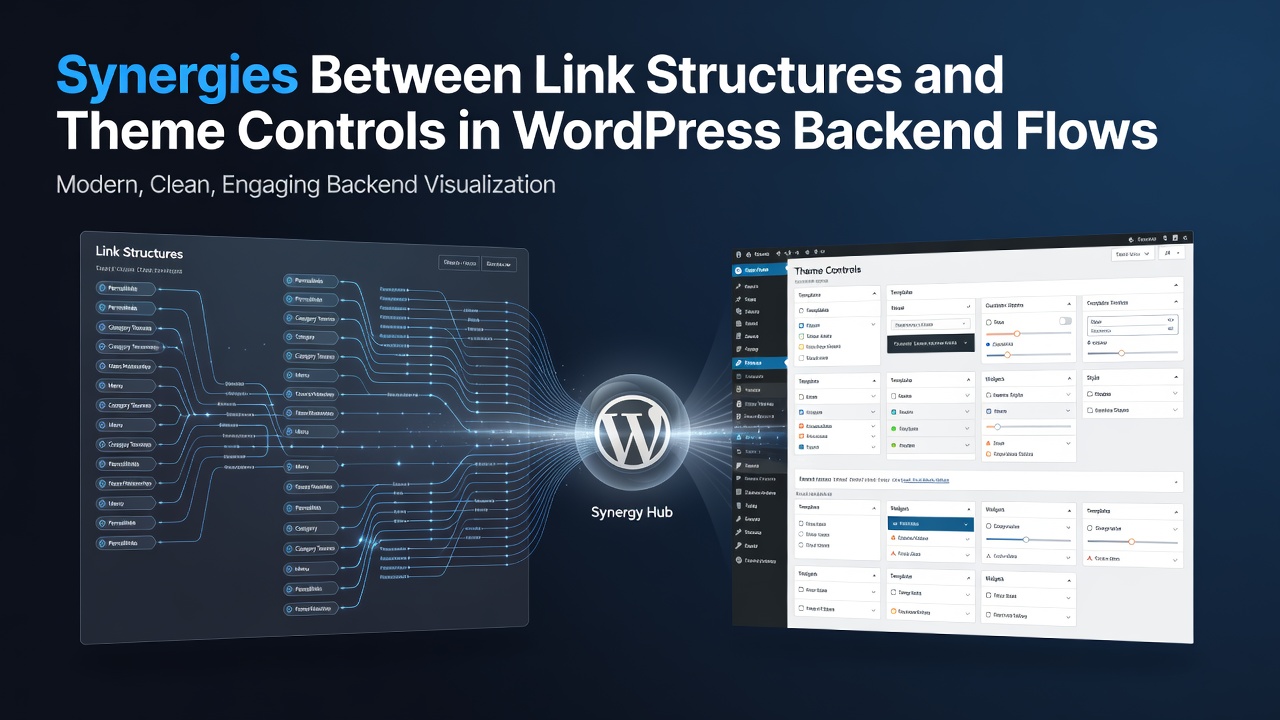
WordPress backend operations rely on multiple interconnected systems that manage navigation elements and visual presentation layers, and link structures often work directly with theme controls to shape how administrators handle site organization and display options. Those who maintain WordPress installations frequently encounter situations where adjustments in one area influence outcomes in another, particularly when navigation links interact with menu locations defined by active themes.
Core Components of Link Management in Administration Screens
Link structures within the WordPress dashboard encompass tools for adding, editing, and categorizing hyperlinks that appear in navigation areas, and these functions connect to the backend through dedicated screens such as the legacy link manager and modern menu editors. Data from WordPress usage reports indicates that sites relying on custom navigation experience fewer display inconsistencies when administrators align link categories with theme-supported menu positions. Researchers at various institutions have documented how outdated link manager features still appear in legacy installations even as newer menu systems handle most contemporary requirements.
Administrators access these controls through paths that include options under Appearance and Settings sections, and changes made here propagate to frontend output based on theme registration of menu locations. Observers note that synchronization between link data stored in the database and theme-defined slots reduces errors during updates or migrations.
Theme Controls and Their Influence on Navigation Flows
Theme controls operate primarily through the Customizer interface and theme options panels, where users assign menus, adjust widget areas, and modify link behaviors such as hover states or dropdown structures. According to documentation maintained by the WordPress project, themes declare menu support using register_nav_menus functions that create specific slots for administrators to populate with links. This registration process creates direct dependencies between what appears in the backend menu editor and what renders on the live site.
Theme frameworks often include additional settings for link colors, font choices, and responsive behaviors, and these settings pull data from the same menu objects managed elsewhere in the admin area. Those who've examined backend logs report that conflicts arise most often when themes override default link rendering without updating corresponding admin interfaces.
Integration Points Across Admin Processes
Several integration points allow link structures and theme controls to function together during routine backend tasks. Menu assignment screens pull available locations directly from active theme code, which means switching themes can immediately alter which link sets administrators see as selectable options. Widget areas that themes register also accept link-based widgets, creating additional overlap between navigation management and appearance settings.
Customizer panels frequently include live previews that reflect current link configurations, and administrators who adjust theme settings while monitoring menu structures achieve faster alignment of backend changes with frontend results. Studies of content management systems show that platforms using similar modular approaches report higher consistency when navigation and presentation layers share data sources.
Database and Code-Level Connections
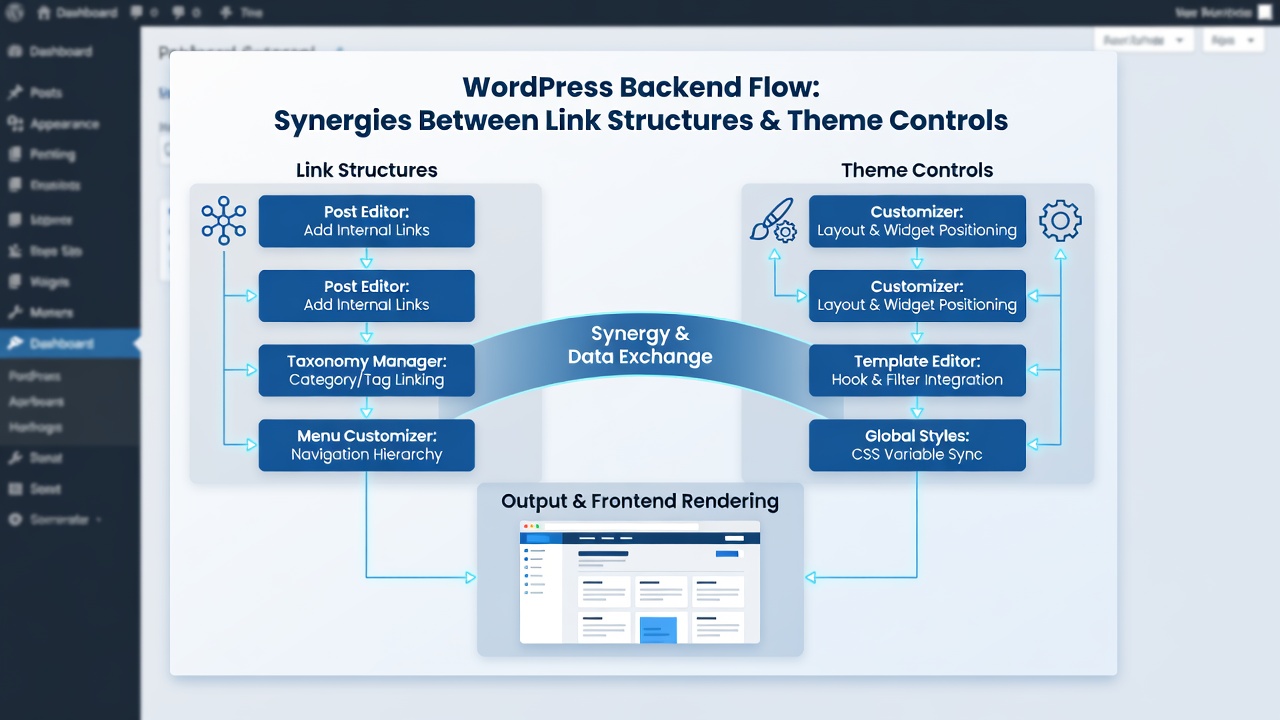
Behind the scenes, WordPress stores menu items and link data in dedicated database tables while themes reference these entries through template tags and walker classes. Theme developers register menu locations in functions.php files, and this code-level registration determines how link structures appear in admin dropdowns and assignment interfaces. When administrators update theme settings, the system checks registered menus before applying new configurations, which maintains continuity across different theme switches.
Developers who examine core files find that menu and link handling functions include hooks that themes can extend, allowing additional control without breaking existing backend flows. These extension points support plugins that add further link management features while respecting theme-defined boundaries.
Workflow Patterns Observed in Administrative Practice
Common workflows involve administrators first defining link structures in the menu editor, then assigning those menus through theme controls in the Customizer. This sequence ensures that navigation elements match the structural expectations set by the current theme. Updates released around mid-2026 have refined how the Customizer handles menu previews, reducing the number of page reloads required to verify changes.
People who manage multiple sites often create standardized procedures that address both link organization and theme compatibility during routine maintenance. When themes receive updates, administrators check menu registrations to confirm that previously assigned links continue to appear in expected locations.
Conclusion
Link structures and theme controls form interdependent systems within WordPress backend operations, and their combined management supports consistent navigation and presentation across sites. Administrators who understand registration processes, database connections, and workflow sequences maintain smoother backend experiences. Official WordPress documentation resources outline these relationships in detail, while research from academic sources such as the University of California publications on content management systems provides broader context on similar platform architectures. Effective handling of these elements reduces friction during theme changes and menu updates.