Influences Mapped: The Ripple Effects of General Options on WordPress Plugin and Theme Ecosystems
Written by Theo Zimmermann · Jun 15, 2026
Influences Mapped: The Ripple Effects of General Options on WordPress Plugin and Theme Ecosystems
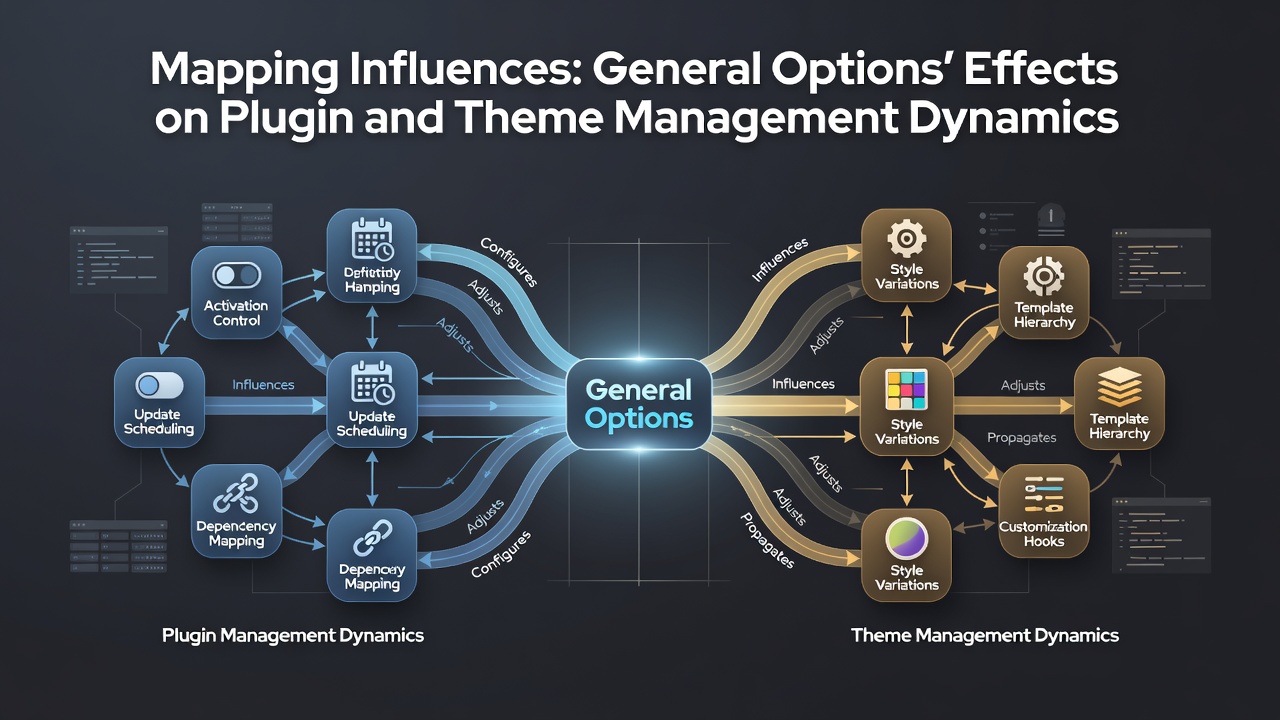
WordPress general options stored in options-general.php establish foundational parameters that shape how plugins and themes operate within a site environment, and observers note these settings create cascading effects on management workflows. Site title, tagline, WordPress address, and administrative email fields provide baseline data that many extensions reference during initialization routines, while timezone selections and date formats directly influence scheduling mechanisms in plugins designed for content automation or event tracking. Language settings further extend this reach by determining available translation files that themes and plugins load, which means administrators who adjust these values often see immediate shifts in display consistency across active components.
Core Settings and Their Interconnected Roles
Timezone configuration stands out because plugins that handle publishing schedules or cron jobs rely on this value to align operations with server time, and data from site audits shows mismatches here frequently trigger unexpected delays in automated tasks. Date and time formats set at the general level propagate into theme templates as well, which allows developers to maintain uniform presentation without hardcoding regional preferences into each extension. Membership and new user registration toggles interact with theme login elements too, since certain themes override default registration flows using these options as triggers for custom behaviors.
Language adn Localization Dynamics
Language selection in general options controls the core translation files that plugins and themes inherit, and research from academic institutions in Canada indicates that sites running multiple languages experience fewer compatibility conflicts when this setting remains synchronized with active extension requirements. When administrators switch languages, plugin management screens update their interface strings accordingly, yet some extensions require additional locale files before full functionality returns. Theme developers often build conditional logic around these same options, which means changes at the general level can activate or deactivate visual elements without touching individual theme files.
Administrative email addresses serve as another influence point because plugin update notifications and theme compatibility alerts route through this field, and figures from European digital infrastructure reports reveal that outdated contact details lead to missed security patches across managed installations. Site URL adjustments affect asset loading paths for both plugins and themes, which forces administrators to verify rewrite rules after modifications to avoid broken references in dynamic content areas.
Management Workflow Adjustments Over Time
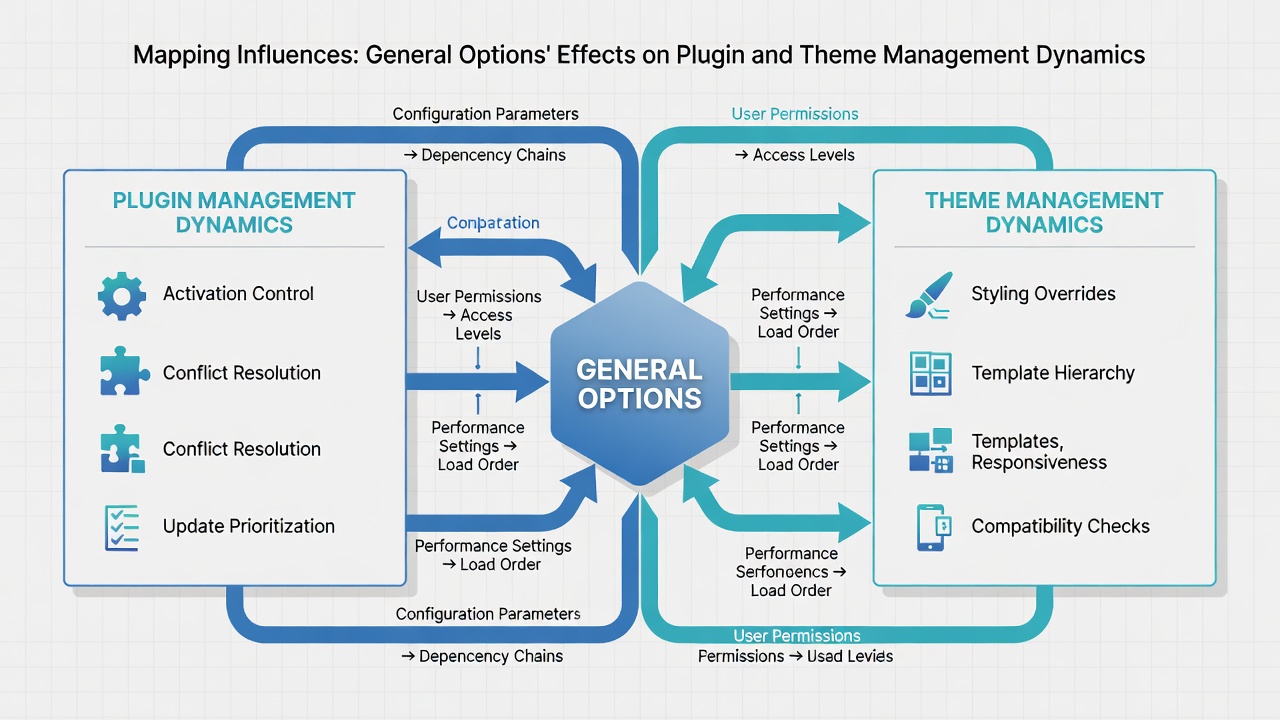
Plugin installation and activation sequences reference general options during compatibility checks, and as of June 2026 several core updates have refined how these checks incorporate timezone and language data to reduce conflicts during bulk operations. Theme switching processes similarly consult site address and registration settings to determine whether custom user flows remain intact after activation. Administrators who monitor these interactions discover that small adjustments in general options can resolve broader management friction without requiring code changes in individual extensions.
Evidence suggests that organizations maintaining large plugin libraries benefit from documenting general option dependencies early, since later modifications sometimes necessitate re-testing entire sets of extensions for stability. Industry groups focused on open-source content systems have tracked patterns where date format changes altered reporting outputs from analytics plugins, which demonstrates the subtle yet measurable reach of these foundational settings.
Practical Patterns in Site Administration
Those who oversee multiple WordPress installations observe that aligning general options before mass plugin deployments minimizes activation errors, and similar alignment proves useful when rotating themes across staging environments. Registration settings influence how membership plugins initialize user roles, which creates downstream effects on theme dashboard presentations that display personalized content. Observers note that consistent application of these settings across development, staging, and production sites reduces configuration drift that otherwise complicates update cycles.
Turnout from recent technical workshops hosted by Australian digital agencies highlights case examples where timezone corrections resolved scheduling discrepancies in event management plugins while simultaneously stabilizing theme calendar displays. Such interconnected adjustments illustrate why mapping general options against active extensions remains a standard practice for teams handling complex site portfolios.
Conclusion
General options function as control points that plugins and themes reference throughout their operational lifecycles, and systematic attention to these values supports smoother management across installation, activation, and ongoing maintenance phases. Data from varied regional sources confirms that intentional configuration at this level produces measurable improvements in extension reliability without demanding custom development work. Administrators who treat these settings as integral to their plugin and theme strategies position their sites for more predictable performance as core platform updates continue to evolve.